#PragueDeclaration

“Cities are responsible for 70% of #GHG emissions”~Mr Joan Clos

Relevant stakeholders come together in generous ‘Praha’ to participate in the European Habitat Conference within the framework of the United Nations Economic Commission for Europe (UNECE). It is one of five regional commissions of the United Nations, bringing together 56 member countries from across Europe, the Balkans, North America and a part of Asia “the Global North”. The focus of the conference was to debate urban  solutions to the issues of housing estates and the need for municipal integration.
In the process towards a #NewUrbanAgenda, Habitat III Europe Regional Meeting “European Habitat” discussed how to ensure access to decent, adequate, affordable and healthy housing for all, with due attention to reducing the impact of the housing sector on the environment.

It addresses relevant current problems like urban poverty, demographic changes, climatic changes and risk of disasters, urban development and urban sprawl, coordination of urban development, and relevant use of technologies.

The most significant event of global reach to be held this year in Prague has ended with the approval of the Prague Declaration.
Minister Karla Šlechtová~..“We have to turn housing estates into a good place to live: providing adequate quality housing, but also public space for community life, access to services, entertainment, leisure activities and sports. All this will have a direct impact on the safety and other factors affecting the quality of life,” 

  • Integration of municipalities is the path to prosperity and healthy development of micro-regions
    Resource efficiency and promoting sustainable consumption and production patterns are critical elements for cities to manage growth, increase resource productivity, and decouple economic growth from increased resource use and its environmental impact.
  • Good urban governance
    Promoting national urban policies as appropriate, which are conducive to sustainable urban development and foster territorial cohesion and their translation to localised urban legislation and regulations, respecting, where appropriate, the principle of subsidiarity;

    Strengthening the use of spatial planning and design of urban extensions, infill and regeneration ensuring a bottom-up and multilevel governance as well as integrated approaches involving all stakeholders and the inhabitants; Cooperative mechanisms of spatial planning and steering in metropolitan areas beyond administrative boundaries should be strengthened and supported by integrated spatial strategies to ensure a balanced territorial development;

  • Relevant use of technology
    Progress in technologies and the availability of data are rapidly changing our life and the way we organise it. Urban planners should adopt relevant technological innovations, which allow more effective use of available data. This requires educating and building the capacity of urban managers, decision-makers and inhabitants. Open and disaggregated data is a critical component in transparent and effective governance and also in the provision of efficient environmental and energy services in urban settings. Every effort must be made to keep shared data accessible to the public, while protecting the privacy of individuals. Cities should consider simple, interoperable, and comparable data markers and standards for data collection. Data should also be transparent and openly accessible to be exploited as a tool to increase the ownership and engagement of people. Technological and digital divide in urban planning and management has to be addressed.

    Building accountability and regular monitoring of the coherent implementation of the New Urban Agenda, the Sustainable Development Goals with a special focus on goal 11 (Make cities inclusive, safe, resilient and sustainable) and other targets across the Agenda, using the relevant indicators defined. This should include 7 regionally specific agreements and strategies on data collection and analyses. Data should be gathered using common international standards to ensure it is compatible between Member States. It should, as much as possible, be publicly available to support policy-making, research and economic development. Lastly, global and regional data repositories should be further developed to support the policy-making process;

Three vital outcomes from the Prague Declaration are outlined below:

I. Shelter and Protection
Urban growth and development boundaries conclusions and inclusion and resilience in the #NewUrbanAgenda based on three years project with placemaking and climate change coverage. Why?  The youth is our future and their need for protective shelter in a changing climate, first and foremost. This requires multidisciplinary climate action across multilevel jurisdictional boundaries…

“We recall the outcomes of “Sendai Framework for Disaster Risk Reduction 2015-2030”, the Addis Ababa Action Agenda, the 2030 Agenda for Sustainable Development” which provides a focus on cities through Goal 11 and other targets across the whole agenda as well as the “Paris Agreement”.”

“We acknowledge also regional specific agreed charters and strategies like, among others, “The Geneva UN Charter on Sustainable Housing” and the “Strategy for Sustainable Housing and Land Management in the ECE region for the period 2014-2020”.

II. Readiness for “shelter” in urban and rural open spaces
To fight climate change and avoid more loss of land The New Urban Agenda need to define and protect our greenbelts in order to keep our cities rural fringe green, compact and resilient. Also to ensure that urban dwellers have access to countryside, with consequent educational and recreational opportunities; and to protect the unique character of rural communities that might otherwise be absorbed by expanding suburbs. Stress that: Sustainable and integrated urban development and its management are crucial to the safety and quality of life of our people.

“Green, compact, resource efficient and resilient cities. Green and better integrated with nature, inclusive, liveable, compact and resilient cities are a priority in policies at all levels of the government and in regional cooperation, especially with regard to members of vulnerable groups, marginalized communities and people with special needs. 2 Increasing resource efficiency on energy, water, waste, land use and food as well as mitigating greenhouse gases emission, improving air quality and taking care of wastewater in cities together with making cities resilient to climate change and other challenges, such as to flood, drought, heat waves, natural and man-made hazards, as well as ensuring transition towards safe and sustainable urban mobility, clean and accessible urban transport for all;”

“Urbanizing deltas in this respect are facing extreme and specific tensions because of the combination of socio-economic and natural/ environmental dynamics. We encourage the use of green and blue infrastructures as well as nature-based solutions, in addition to hard preventive infrastructure and spatial planning, as a tool to prevent disasters, in particular water-related ones, from having a big impact;”

III. Sustainable public spaces that are healthy, safe, resilient, energy-conserving and resource efficient
Public space and the buildings that surround and define it need to be socially, economically and environmentally sustainable. Social sustainability requires security, equity and justice; economic sustainability benefits from affordable capital and operating budgets; environmental sustainability addresses ecological and health issues. These include clean air, water and soil, green micro-climates and the mitigation and adaptation to the Urban Heat Island Effect and Climate Change. Effective use should be made of green technologies and systems. Architecture and urban design that is adaptable and appreciated is cared for and sustained for a longer time.

Promote the knowledge transfer of good practices regarding the quality of green and public spaces, e.g. in devising layouts, ratios, spaces and built-open space and frontage ratios capable of reconciling socio-economic vitality and environmental quality with safety and pleasantness.

“Providing accessible, safe, inclusive and quality public space, and safe transportation to foster urban equity, social cohesion and better quality of life, with particular attention to the needs of men, women, children, elderly persons and persons with disabilities;”

“In order to prevent urban sprawl and strengthen the “multiple use of space” principle through effective land management. We also support climate change adaptation and mitigation measures and cities’ resilience to floods, heat waves and natural and man-made hazards.

(“The Social Cohesion and Equity discussions highlighted several practical approaches that can help make cities become more inclusive. These include better urban planning in the creation of public spaces where residents of the urban community not only feel safe but also protected.”)
The Final “Prague Declaration” from “European Habitat” can be found here;
#RegenerativeCities #Greenbelt #Placemaking #DRR #FutureofPlaces #COP22 #Habitat3 #NewUrbanAgenda #PublicSpace #WUC #TheFutureWeWant #TheCityWeNeed #UrbanSDG #UrbanAction #UrbanThinkers #Youngplacemakers #ClimateAction

Some ideas to take away that Minister Karla Šlechtová collected in the UN European Habitat conference in Prague

  • Cities have to be sustainable, without excluded zones; account must be taken of their residents.
  • Development requires a clear strategy tied to a defined vision.
  • Accessibility in all its aspects: accessibility of housing, public services, travel, and culture.
  • Only those with daring visions can turn cities into good places for living.
  • Only good housing can make a place good for living; whereas urban housing means not only a “shelter”, but a healthy and safe home.
  • “Cities are made of people, not brick walls”~Thucydides
  • Liveable and functioning cities without excluded zones. I want no derelict and evacuated city centres.
  • In the Czech Republic and many nations, one of the developmental obstacles is frequently fragmented competences. This is an aspect that has to be addressed and changed.
  • Urban planning and design must be centred around living in the cities.
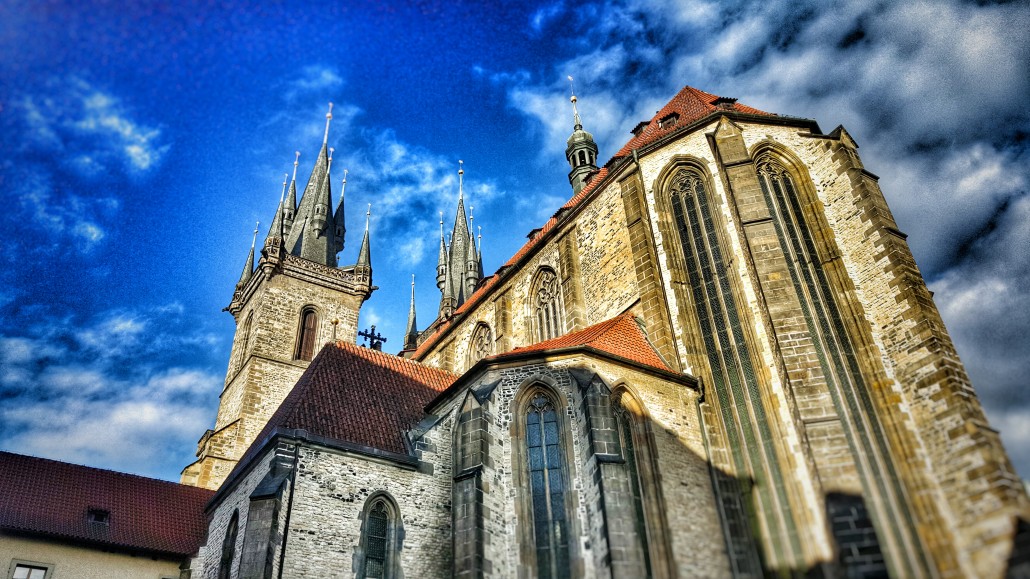
The Czech Republic greatly managed the UN summit on sustainable housing development

The Czech Republic greatly managed the #EuropeanHabitat
16-18 March 2016: Three days of urban discussions in Prague with almost 4,000 experts worldwide on the future development of cities and municipalities. The UN Habitat Conference, organized by the Ministry for Regional Development, headed by the Minister Karla Šlechtová ended on Friday, 18 March 2016 with approval for the #PragueDeclaration. The document will have a direct impact on UN policy in the field of sustainable development and be part of the roadmap leading up to Habitat III in Quito. The Czech Republic and organisers have not only mastered the difficult preparation and organisation of the conference, but they also carry away a few key messages for further work and development in the area.

In line with what Minister Ms. Karla Šlechtová already mentioned in her opening speech on the first day, both the Conference and the #PragueDeclaration were not to be just about discussing, they were to bring a factual content and specific outcomes with an effective meaning for the future. Theses the Prague Declaration:

  • The Declaration is based on four principles: Innovative and productive cities, Green, compact, resource-efficient and versatile (resilient) cities, Inclusive and safe cities, Good urban governance.
  • Emphasis is put primarily on support to proper planning and management to be conducted in cooperation with all levels of governance and communities; a unified approach is vital in the effort to maximise the potential of cities, social cohesion and access to services; affordability of housing as a key factor of quality of life is one of the main features of viable cities; urban development planning must involve the effort to minimise impacts on the environment and to enhance economic, social and environmental sustainability.
  • We are facing various challenges relating to housing and sustainable urban development in the regions: urban poverty, demographic changes, #climate changes and based on science disaster risk reduction #DRR, urban development and mandated growth, coordination of urban development, use of relevant technologies.
  • Key directions from Prague to Quito: supporting cities by strengthening their capacity for innovation including social innovations and job creation, supporting optimal use of resources, equal access to affordable housing and services, eliminating poverty and exclusion, providing affordable, safe, inclusive and high-quality public space and safe transport, healthy financial management in municipalities, ensuring sustainable sources of financing, reinforcing the dialogue between various levels of government and relevant actors.

European HABITAT in Prague on 16 – 18. 3. 2016 (summary)

Some facts about the UN Conference on the European Habitat

  • It was attended by nearly 4,000 thousand experts from around the world.
  • During the Conference a total of 96 separate official events and dozens of bilateral negotiations were conducted.
  • In total there were more than 300 hours of expert discussions.
  • More than 50 experts took the floor.
  • Significantly the conference also involved the Czech representatives, in the main program and accompanying activities.
  • The main outcome of the Conference is the Prague Declaration, the final version of which has been worked on by the international Advisory Board and with the participation of Minister of Regional Development Ms. Karla Šlechtová.
  • The Conference was held on an area of more than 42,000 sq-m2 in the Prague Congress Centre.
  • In addition to the PCC, more places in Prague hosted the Conference accompanying activities.
  • An organisation team of more than 150 people looked after the organisation of the Conference.
  • More than 11,000 meters of cabling where installed in the Prague Congress Centre in order to provide technical setting to the Conference.
  • About 100 model works created by students were exposed in the Congress Centre – many of them 3D models of planned buildings.

Prague to host the United Nations’ European Habitat Conference #habitat3

Prague

Climate Change Centre Reading, is honored to participate at the UN regional meeting European Habitat Conference as a climate advocate for natural weather shelter / protection of #urbanthinkers. The conference will take place in the Prague Congress Centre, Prague, Czech Republic between March 16 to 18, 2016

Habitat III Europe Regional Meeting “European Habitat” will involve a wide range of participants, that will debate regional priorities for the New Urban Agenda, and policy recommendations in the form of a final regional participants’ declaration. The “European Habitat”, is an international regional conference organised within the framework of the United Nations Economic Commission for Europe (UNECE). It is one of five regional commissions of the United Nations, bringing together 56 member countries from Europe, the Balkans, North America and a part of Asia. The event is an official part of preparations for the third global UN Conference on Housing and Sustainable Urban Development “Habitat III”. Based on a decision of the UN General Assembly adopted in December 2014, this conference should be held in Ecuador in October 2016. The event is being prepared by the UN Human Settlements Programme (UN-Habitat). UNO regional conferences are organised by individual regional economic commissions – and it is UNECE that covers the 56 above mentioned member countries (UNECE Member States).

In this regard, “European Habitat” will gather recommendations reflecting the consensus reached at the regional level on sustainable housing and other topics from the spectrum of a proposed New #UrbanAgenda.

Join us at this exciting opportunity to discuss the challenges of Sustainable “Housing in Liveable Cities”.

In the process towards a New Urban Agenda, Habitat III Europe Regional Meeting “European Habitat” will discuss how to ensure access to decent, adequate, affordable and healthy housing for all, with due attention to reducing the impact of the housing sector on the environment. Final declaration from “European Habitat” will be considered official inputs to the Habitat III process. Join us at this exciting opportunity to discuss the challenges of Sustainable Housing in Liveable Cities.

The official outcome of the European Habitat conference will be the Prague Declaration whose draft was discussed in December 2015 at the plenary session of the UNECE Committee on Housing and Land Management, the UNECE executive body for housing and urban development. In October 2014, the Committee discussed and adopted the Geneva UN Charter on Sustainable Housing, which was then approved by UNECE’s Plenary in April 2015 as the official contribution of the relevant region to the Habitat III conference. The Geneva UN Charter on Sustainable Housing is an essential strategic document which the Prague Declaration develops further. The European Habitat is one of the first UN implementing conferences reflecting the goals of UN post-2015 Development Agenda.

Final “Prague Declaration” from “European Habitat” will be considered official inputs to the Habitat III process.

The #UN European Habitat Conference, is part of the roadmap to #Habitat3 in QUITO – OCTOBER 2016.

#TheWorldWeWant #TheCityWeNeed #Futureofplaces #Placemaking #SDG13 #SDGs #FutureofPlaces #COP21 #COP22 #Habitat3 #NewUrbanAgenda #PublicSpace #WUC #TheFutureWeWant #TheCityWeNeed #UrbanSDG #UrbanAction #UrbanThinkers #Youngplacemakers #ClimateAction #OpenSpace

Background

Based on a decision of the UN General Assembly, the city of Quito, Ecuador, will host the third global UN Conference on Housing and Sustainable Urban Development (the “Habitat III conference”) from 17 to 20 October, 2016. These summits take place every twenty years; the first one was organised in June 1976 in Vancouver, Canada, the second summit “Habitat II” took place in June 1996 in Istanbul, Turkey.

The official outcome of the Habitat III summit will be the adoption of the discussed document (New Urban Agenda), responding to development in urban areas, with respect to the ever increasing share of the world’s population living in towns and cities (by 2050 the share will be 70%).

Preparations for the Habitat III summit are carried out according to the procedure approved by UN General Assembly; the process is managed by the Steering Committee of Habitat III.

(UN–Habitat) is the United Nations agency for human settlements and sustainable urban development. It was established in 1978 as an outcome of the First UN Conference on Human Settlements and Sustainable Urban Development (Habitat I) held in Vancouver, Canada in 1976. UN-Habitat maintains its headquarters at the United Nations Office at Nairobi, Kenya. It is mandated by the United Nations General Assembly to promote socially and environmentally sustainable towns and cities with the goal of providing adequate shelter for all. It is a member of the United Nations Development Group. The mandate of UN-Habitat derives from the Habitat Agenda, adopted by the United Nations Conference on Human Settlements (Habitat II) in Istanbul, Turkey, in 1996. The twin goals of the Habitat Agenda are adequate shelter for all and the development of sustainable human settlements in an urbanizing world.

Swedish New #Sustainability Act

#RE100

The Swedish government wants to introduce a law that primarily affects 2,000 major Swedish companies to implement a sustainability report. If it goes through it shall enter into force on 1 July 2016. The Act is based on an EU directive in September 2014.

Many believe that the current voluntary sustainability reports deemed to be superficial reports designed to keep the company’s stakeholders in a good mood for sustainability. Some representatives believe that the new law can serve as a decision-making model and thus an effective management tool.

What we know about the law are among others companies to explain how they work with a range of sustainability issues. Current areas to be considered are environmental issues, social issues, issues regarding employment such as work environment, respect for human rights, anti-corruption and bribery.

Description of the diversity policy apply to the company’s board. The goal of the policy and how the policy has been applied and the result of the policy’s implementation. If the company does not apply any diversity policy, the reasons for it noted. Applies only company in the last 2 years, met more than one of the conditions for “big business”.

This bill defines “large companies” of companies that meet at least two of the following conditions. The average number of employees in the company amounts to more than 250 pieces. Total assets will amount to more than 175 million (20 million) or net sales amounted to more than 350 million (40 million euros).

Enterprises of “public interest” is likely to include listed companies, insurance companies and credit institutions Even companies with “social-bearing activity” can be covered and can be comprised of electric utility or other activities in infrastructure and in health care.

Advantages of a sustainability may be that the company has an in-depth dialogue with all stakeholders and understanding of the challenges. Good survey of sustainability activities and the risks and opportunities. More benefits are to involve management in sustainability efforts.

Auditor should verify that the non-financial report has been submitted. No claim today that the report must be certified.

Last but not least, your brand is affected positively by sustainable business. Maybe we dare say that a sustainable business gives your business even more good years on the market.

#RE100

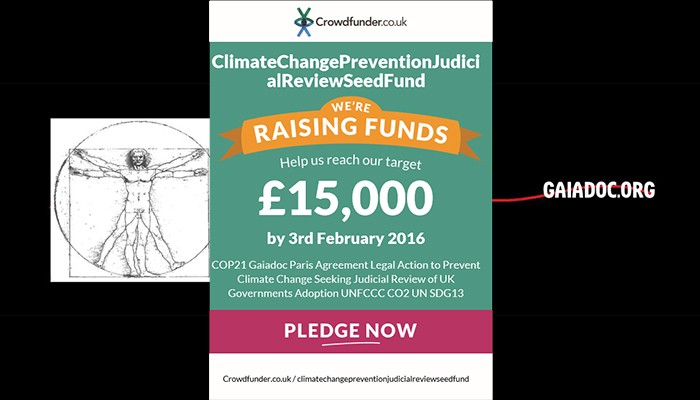
#Climate Change Prevention Judicial Review Seed Fund

If you missed… COP 21

Here is you chance to pledge against, give an adequate response to the Paris Agreement’s weak unbinding content,

Poster_Gaiadoc

http://www.crowdfunder.co.uk/climatechangepreventionjudicialreviewseedfund

The crowd funding web page is up and running and our work is currently stalled due to lack of funds, please donate to our crowdfunder to kick start our critical legal action. When you pledge your donation you will automatically become a member of the Judicial Review Supporters Group or you can do it anonymously as suits you. The funding will allow us to initiate a process that overturns the Paris Agreement so frackers, oil men and rainforest eating ranchers can’t just keep destroying. Safeguarding our children requires this action as confronting climate change issues and laying the foundations for a safe future by shifting to clean, safe, affordable #energy needs drastic legal action now.

Safeguarding of the planet and the conditions of life on Earth is everyone’s concern. — These are first steps in getting real action on climate change in 2016.

This is a matter of extreme urgency as time is fast running out to take the drastic steps. Please share it with friends and colleagues. Thank you so much for your time and donation.

Invitation Boroughs of Buckinghamshire, Oxfordshire and Berkshire

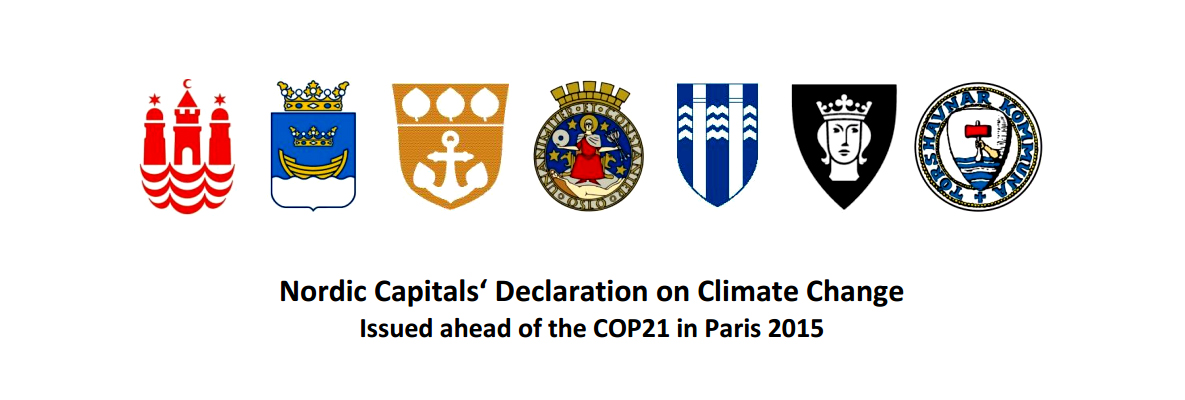
Nordic_declarationInvitation to BOBShire’s Capitals‘ Declaration on #ClimateChange 2017

Venue and programme for the workshop need to be set,
Pre-register interest here, BOBShire @ CCCRdg .org .uk

Join the wave of change. Sign the Appel de Paris here, http://www.parispledgeforaction.org/read

Project ideas emerged from breakout groups for each of the following #RE100 challenges:

KIC

  • How to include quality of life (the social dimension) in climate-oriented city solutions
  • How to create incentives for people to choose to be ”climate smart” in their everyday choices
  • How to create city climate targets, measure progress and engage more actors
  • How to remove barriers that enable cities to implement more (and better) testbeds

Check back for more information

/Climate Change Centre Reading


Source: reykjavik.is

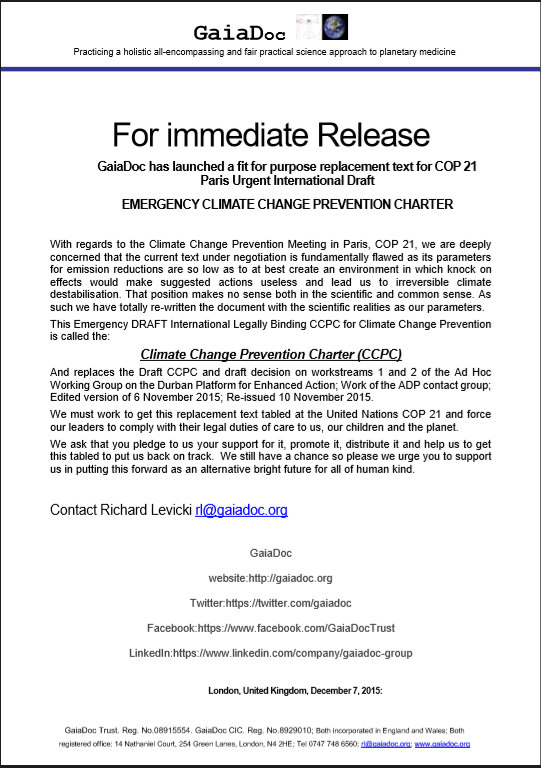
For immediate Release GaiaDoc.org

For immediate Release

GaiaDoc.org has launched a fit for purpose replacement text for #COP21 #Paris2015 Urgent International Draft

EMERGENCY CLIMATE CHANGE PREVENTION CHARTER (CCPC) .pdf

For-immediate-Release-GaiaDoc

Source: GaiaDoc.org


UK – WOW! Amazing work, thanks & debriefing :)

Guy Shrubsole, Friends of the Earth’s Climate & Energy Campaigner

partners_logos_

“Hi folks

WOW! We did it!

Huge thanks for everyone’s amazingly hard work in making yesterday’s climate march the biggest in UK history!

The People’s March for Climate, Justice & Jobs had *at least* 50,000 people on it. We spoke to the Bolivian ambassador (who else?!) near the start and she reckoned it was actually closer to 60-70,000 – either way, massive numbers and pipping 2009’s The Wave to the post for biggest climate demo ever.

It was also the most diverse climate march I can remember being on (my first was in 2005…) and, whilst there’s much more to do to make the climate / environment movement reflect and represent the diversity of our society as a whole, I hope we have now made a good start.

Thanks to recent sign-ups we now had 67 organisations mobilising for this Sunday’s demo. Hurrah!

Let’s celebrate the good news and encourage the momentum.
Guy”


Images from Reading People’s March 2015

@StaticRainChris There we go – photos of Reading People’s March 28.11.15 captured by Dave Cole on last Sat. We were there!  


Hi RPM 2015 ?#?PeoplesMarchRdg?
Here’s a slideshow I made for ‘youtube’
Best regards
Dave justdave2 @ gmail.com (enquiries only)


MORE PHOTOS HERE
21 Dozens take part in ?#?Reading? People’s March 2015 on ?#?climatechange?
http://www.getreading.co.uk/news/local-news/dozens-take-part-reading-peoples-10525145


Hi, this is the blog & photos of the ReadingPeoplesMarch.org?#?ClimateMarch? ?#?Rdg? | ?#?Greenpeace? Greenwire ?#?UK? https://greenwire.greenpeace.org/uk/en-gb/node/51049


Sorry there are so many pics, but there were just so many people. If you see yourself, feel free to tag away, or if you don’t want to see yourself pm me and I will remove the photo. Even more to come of the After March Rally at the Town Hall.
https://www.facebook.com/media/set/?set=a.1526487304329458.1073741830.1508362692808586&type=1&l=7fc10d1bf2


?#?
Reading?
?#?PeoplesMarch? 2015. 300+ honourable ?#?Changemakers? and great speakers too https://readingpeoplesmarch.wordpress.com/speakers
https://plus.google.com/u/0/photos/114043249199472928921/albums/6223235210502179233?cfem=1


#?peoplesmarchrdg? Peoples Climate March through Reading next week on 28 November
http://www.getreading.co.uk/news/reading-berkshire-news/peoples-climate-march-through-reading-10470752


RT Images sent out for press syndication today from the banner drop?#?RdgUK? ?#?PeoplesMarchRdg? ?#?RUSU? ?#?COP21?
http://www.demotix.com/news/9036508/reading-peoples-assembly-take-streets-promote-climate-march#media-9036300

#PeoplesMarchRdg 28th NOV

For immediate RELEASE: Community Event

Reading People’s March for Climate, Justice and Jobs, 28th November 2015

Gaia needs you! – It is time to act!

SYSTEM CHANGE not CLIMATE CHANGE

Walk with us on Saturday 28th from Christ Church to the Town Hall Reading or join in at any point along the route. (Assemble 12 noon tea and coffee, get organised)

Exciting speakers announced for the 28th November
https://readingpeoplesmarch.wordpress.com/speakers

Join us afterwards at the Town Hall from 2:15 for welcome by the Mayor; music and speakers (including 10:10, Campaign Against Climate Change, Quakers, Global Justice Now, National Trust, Green Party, and Deputy Leader of the Council)
This weekend, people across the world will join together and make a spectacular stand. Marches and creative actions are planned globally – and Reading will be a part of that as communities join together for a message of hope and optimism.
We are delighted to announce an amazing range of people who will speak at Reading People’s March for Climate, Justice and Jobs this Saturday. Be sure to look out for some Local Champions too marching with us throughout the demonstration and speak in the Town Hall!
We have worked hard to bring the big issues facing us in Britain and across the world to the protest – from fracking, to flooding, to the need for investment in renewables and jobs.
We want everyone to leave the day inspired and ready for action.

Climate change affects everyone, it is a global issue People are already facing the furious impacts of environmental devastation through floods, droughts, landslides, and typhoons

Be part of the global solution People all over the globe will be marching on 28th and 29th November to mark the beginning of the COP21 summit in Paris.

If there is an issue that is important to you and your friends, then make a banner, make placards, form a bloc and let your voices be heard!

Leaders must listen when hundreds of thousands of people march and demand that they support ambitious action on climate change and injustice.

  • No to dirty energy (fossil fuels)
  • Yes to renewables
  • Yes to Justice for People and the Planet
  • Yes to new Climate Change related clean jobs
  • Yes to sustainable development NOW
  • Yes to science and clean tech for the future

logo-carbon-butterfly

We believe that change is possible and within our reach if we stand together.

Check website for updates and information

 For further information, please contact Carl, Eleanor, Julia or Suzie at climate @ readingpeoplesmarch.org